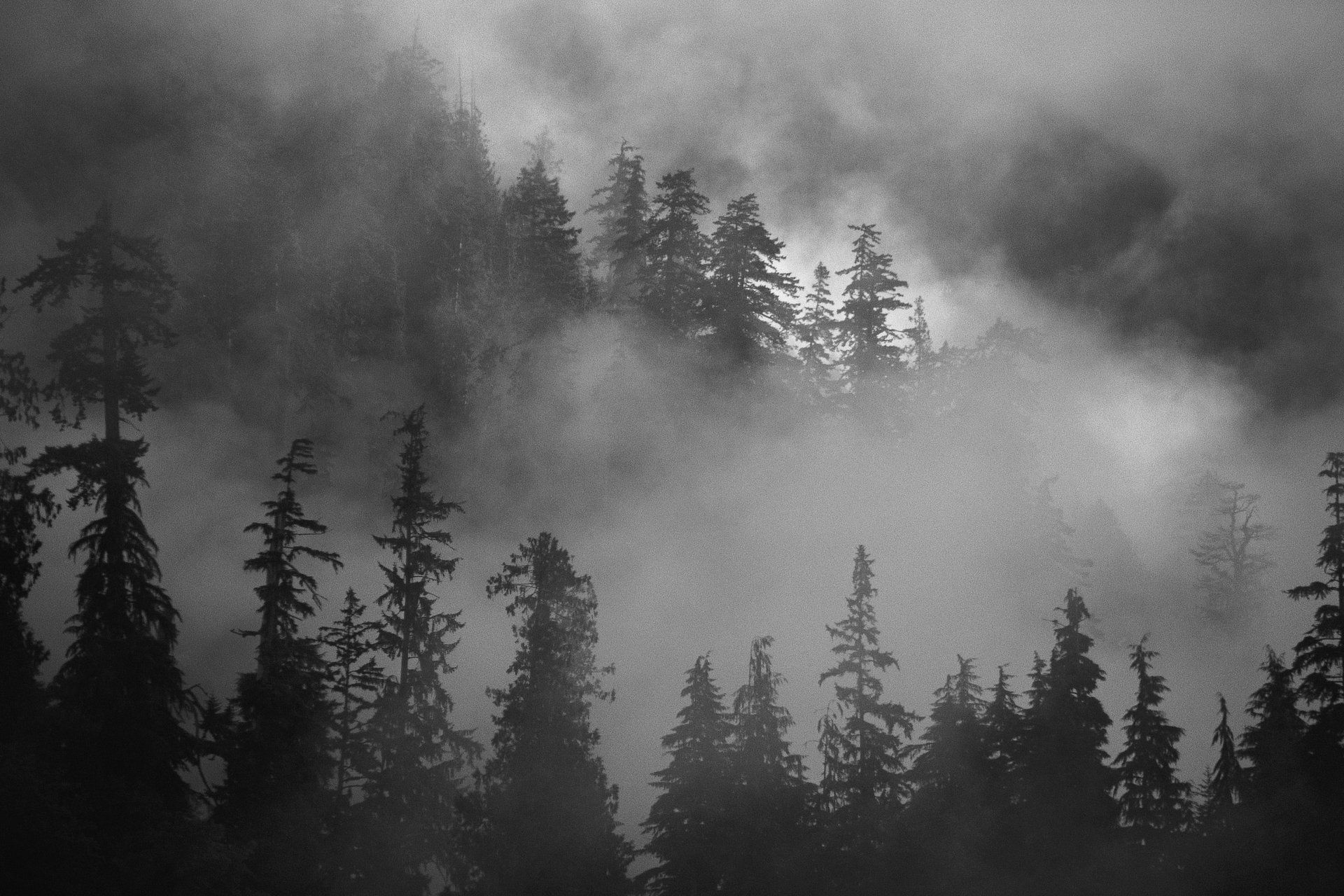

Why Midwestern Horror Settings Amplify Horror Tales
Let’s cut the crap and get straight to it. Horror stories set in the Midwest? They hit different. There’s something about those endless cornfields, sleepy small towns, and brutal winters that just crank the creep factor up to eleven. If you’re tired of the same old haunted mansions and foggy forests, the Midwest offers a fresh, raw playground for horror writers and readers who want their nightmares served cold and unfiltered.
What Makes Midwestern Horror Settings So Damn Effective?
First off, the Midwest isn’t your typical horror backdrop. It’s not dripping with gothic castles or ancient curses. Nope. It’s flat, open, and deceptively peaceful. That’s the beauty of it. The vastness of the landscape creates this eerie isolation that messes with your head. Imagine being stuck in a tiny town where everyone knows your business, but no one can help you when shit hits the fan. The silence out there isn’t just quiet - it’s oppressive.
The weather doesn’t help either. Winters in the Midwest are brutal. Snowstorms that trap you inside, freezing temperatures that make every breath hurt, and nights so dark you can’t see your own hand in front of your face. It’s the perfect recipe for a slow, creeping dread that builds up until you’re ready to lose your damn mind.
And let’s not forget the people. Midwesterners have this tough, no-nonsense vibe. They’re polite but guarded, friendly but suspicious. That tension between community and isolation is a goldmine for horror. You never know who’s hiding what behind that friendly smile.

The Anatomy of Midwestern Horror Settings
If you want to write or understand why these settings work, you gotta break down the elements:
Small Towns with Big Secrets
These places look innocent on the surface. Main street diners, old churches, and mom-and-pop stores. But beneath that, there’s always some dark secret. Maybe it’s a cult, a buried crime, or a supernatural force nobody talks about. The contrast between the quaint setting and the horror lurking underneath is what makes it so unsettling.
The Landscape is a Character
Cornfields, abandoned farms, dense woods, and endless skies aren’t just backdrops. They’re active players in the story. Cornfields can hide monsters or killers. Abandoned barns can be traps. The landscape isolates characters and forces them to confront their fears without escape.
Weather as a Weapon
Snow, rain, and wind aren’t just atmospheric. They’re obstacles. A blizzard can trap characters inside a cabin with something evil. A thunderstorm can cut off power and communication. The weather in the Midwest is relentless and unforgiving, just like the horror that unfolds.
Cultural Underpinnings
The Midwest has a unique culture that blends religious conservatism, rural traditions, and a strong work ethic. This mix can create tension and conflict that fuels horror. Characters might struggle with guilt, repression, or superstition, adding layers to the terror.

Who are the Best Midwest Writers?
If you want to see how this all plays out in real life, check out some of the best horror writers who know the Midwest like the back of their hand:
Joe R. Lansdale - His stories often mix horror with dark humor and gritty realism. Lansdale’s Texas roots bleed into his work, but his style fits perfectly with Midwestern horror’s raw edge.
F. Paul Wilson - Known for his Repairman Jack series, Wilson’s work often features urban and rural settings that feel eerily familiar to anyone who’s spent time in the Midwest.
Josh Malerman - While not strictly Midwestern, Malerman’s Bird Box captures that claustrophobic, isolated terror that’s a hallmark of Midwestern horror.
Jay Whales - If you want horror that doesn’t pull punches, Jay Whales is your guy. His stories are graphic, intense, and unapologetically raw, perfectly suited for readers who want their horror served with a side of brutal honesty.
These writers don’t just use the Midwest as a backdrop. They live it in their stories, making the setting a vital part of the horror experience.
Why Midwestern Horror Settings Stick With You
Here’s the thing about horror set in the Midwest - it’s not just about jump scares or gore. It’s about atmosphere, mood, and that creeping sense of dread that stays with you long after you close the book. The Midwest’s unique blend of isolation, weather, and culture creates a perfect storm for horror that feels real and personal.
When you read a story set in a big city, you can imagine escaping or calling for help. But in the Midwest? You’re stuck. No cell service, no nearby hospital, no friendly neighbor to save you. That helplessness is terrifying.
Plus, the Midwest’s bland, everyday look makes the horror feel like it could happen to anyone. It’s not some far-off fantasy. It’s your cousin’s hometown, your old summer vacation spot, or the place you drive through on a road trip. That familiarity makes the horror hit harder.
If you want to dive deeper into this vibe, check out some mid-western-stories that capture this unique flavor of terror.
How to Use Midwestern Settings in Your Own Horror Writing
Alright, so you’re sold on the Midwest as a killer setting. How do you make it work in your own stories? Here’s the no-BS guide:
Embrace the Isolation
Use the landscape and weather to trap your characters. Make them feel cut off from the world. No easy rescues, no quick getaways.
Build Small Town Tension
Create a community that’s tight-knit but suspicious. Let secrets simmer under the surface. Use gossip, superstition, and old grudges to ratchet up the tension.
Make the Weather a Villain
Don’t just mention the snow or rain. Use it actively. A blizzard can kill as surely as a monster. A thunderstorm can hide sounds or mask footsteps.
Use the Landscape Creatively
Cornfields, abandoned farms, and empty roads aren’t just scenery. They’re obstacles, hiding places, or traps. Think about how your characters interact with the environment.
Add Cultural Depth
Don’t ignore the Midwest’s unique culture. Use religion, tradition, and local beliefs to add layers to your horror. Characters wrestling with guilt or superstition are more interesting and relatable.
Keep It Real and Raw
Don’t sugarcoat the horror. Make it graphic, intense, and unapologetic. Your readers want to feel the fear, not just read about it.
Why I Keep Coming Back to Midwestern Horror Settings
I’m not gonna lie - I’m hooked on this setting. There’s something about the Midwest that just gets horror. It’s not flashy or glamorous. It’s gritty, raw, and real. It’s the kind of place where the darkness isn’t just in the shadows but in the people and the land itself.
If you want horror that sticks with you, that messes with your head, and that doesn’t give you a safe place to hide, the Midwest is where you want to be. It’s a brutal, unforgiving landscape that makes every nightmare feel possible.
So next time you’re looking for a horror story that doesn’t pull punches, dive into the world of midwestern horror settings. You won’t regret it.
If you want to explore more about this unique horror vibe, check out mid-western-stories and get ready to have your mind blown.


Comments